Your Air Conditioner Is a Heat Pump. It Just Doesn’t Know It Yet.
As technicians working in the solar and HVAC industry, we’ve had the advantage of learning the trade while the technology is rapidly evolving. Most of our team weren’t trained in an era where heat pumps were experimental or unreliable, and don’t carry the institutional scars some older techs understandably do. At our local HVAC company, we learned inverter systems, high-efficiency equipment, and electrification from the start. Which is probably why we find the heat pump debate a bit puzzling.
Because the truth is every air conditioner is already a heat pump. It’s simply missing a reversing valve. That’s it. That’s the dramatic distinction. At Sandbox+ HVAC, we are here to provide you with reliable information for all things heating and cooling in Northern Colorado. Keep reading to learn more about how every air conditioning unit could be a heat pump system!
Understanding The Commonalities
A standard split air conditioner and a heat pump share the same core components. Each system has a compressor, condenser coil, evaporator coil, expansion device, refrigerant, and copper line set. When a heat pump is being used to cool a space, it operates the same as an air conditioner. But here’s where the difference is. The evaporator coil inside your home absorbs heat, the compressor raises the pressure and temperature of the refrigerant, and the condenser coil outside rejects that heat into the air. The process of moving heat from one place to another is literally what defines a heat pump. When it comes down to it, your air conditioner is already capable of pumping heat; it just only does it in one direction.
What Makes a Heat Pump Different
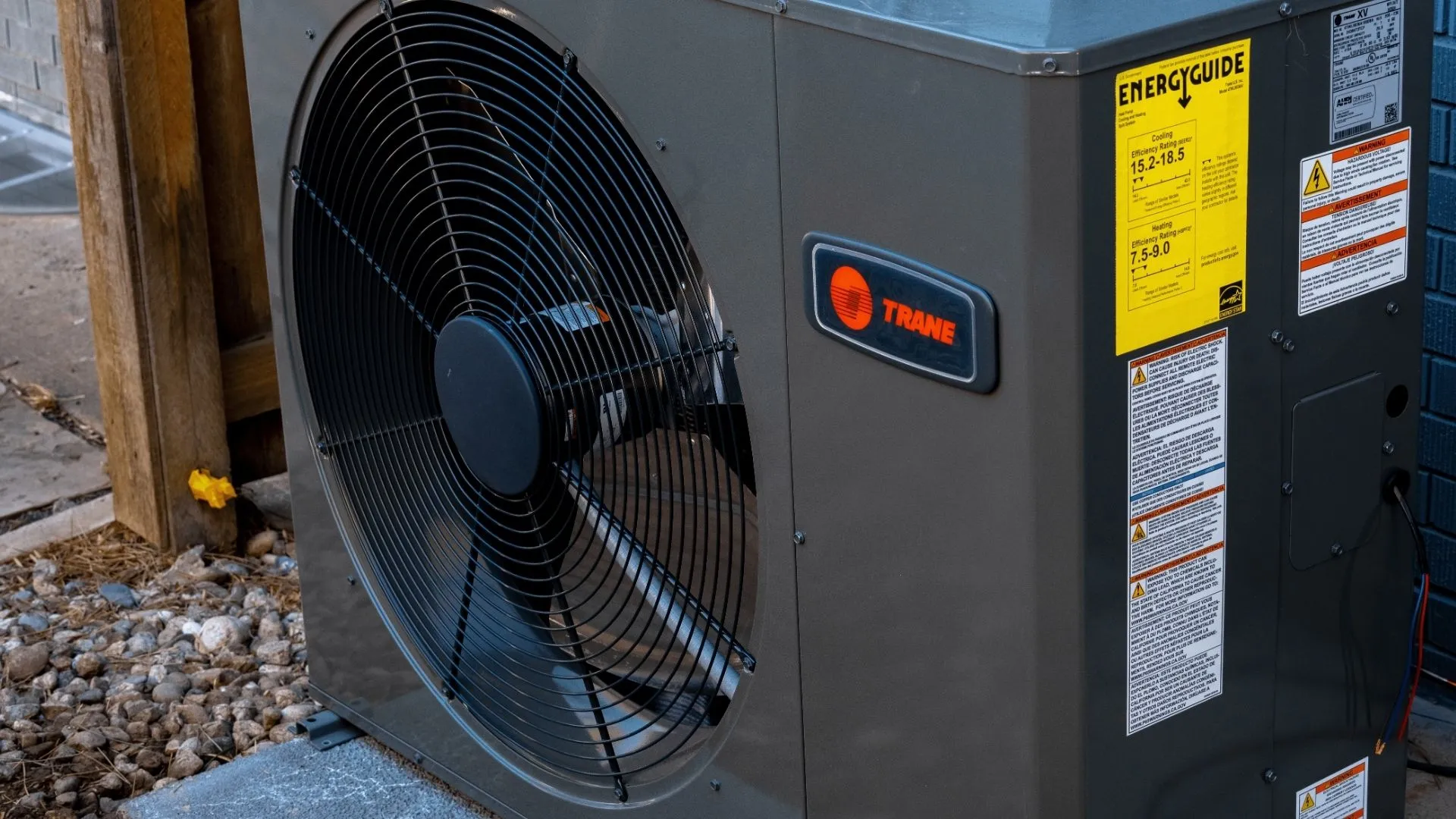
What truly makes a heat pump different from a standard AC unit is the components inside of it. A heat pump has a reversing valve that allows the refrigerant flow to switch direction in winter. That means the outdoor coil absorbs heat in the air and the indoor coil releases it into your home. Same machine. Same refrigeration cycle. One additional valve and some controls. It’s less of a different product and more of an upgraded version that decided to apply itself.
The Modern Heat Pump Benefit
Our HVAC technicians have worked on systems throughout Colorado where winter isn’t theoretical. The older reputation of heat pumps struggling in cold weather still floats around, usually brought up in supply houses over coffee. But modern inverter-driven systems are designed for it. Many are rated to operate efficiently at 0°F and below, modulating capacity and managing defrost cycles with far more precision than earlier generations ever could.
Are there extreme scenarios where supplemental heat is appropriate? Of course. Good design is about matching equipment to climate. When it comes to homes in Colorado, modern heat pumps can efficiently handle heating and cooling for your entire space, especially cold-climate heat pumps. Keep your home comfortable all year long!

The Efficiency Advantage
From a technical standpoint, efficiency is where the conversation should really sit. A furnace creates heat through combustion. Think of a furnace like a toaster. It uses electric resistance heat to create warmth by brute force. On the flip side, a heat pump moves heat that is already in the air instead of generating it. That means this system can deliver two to three units of heat energy for every unit of electricity it consumes under normal conditions. That’s measurable performance you could see firsthand.
When it comes to home cooling, a heat pump system and a straight AC unit with the same SEER (Seasonal Energy Efficiency Ratio) rating function identically. So, you might want to reconsider which system you want to install in your home. If you’re already installing a modern AC system, you might as well invest in a heat pump instead. A air conditioner will perform exactly the same in the summer as a heat pump does but then you don’t get any of the efficiency advantages it offers during the winter months. It would be the same as buying a smartphone that only makes calls with no additional benefits.
The Golden Combination: Heat Pumps and Solar
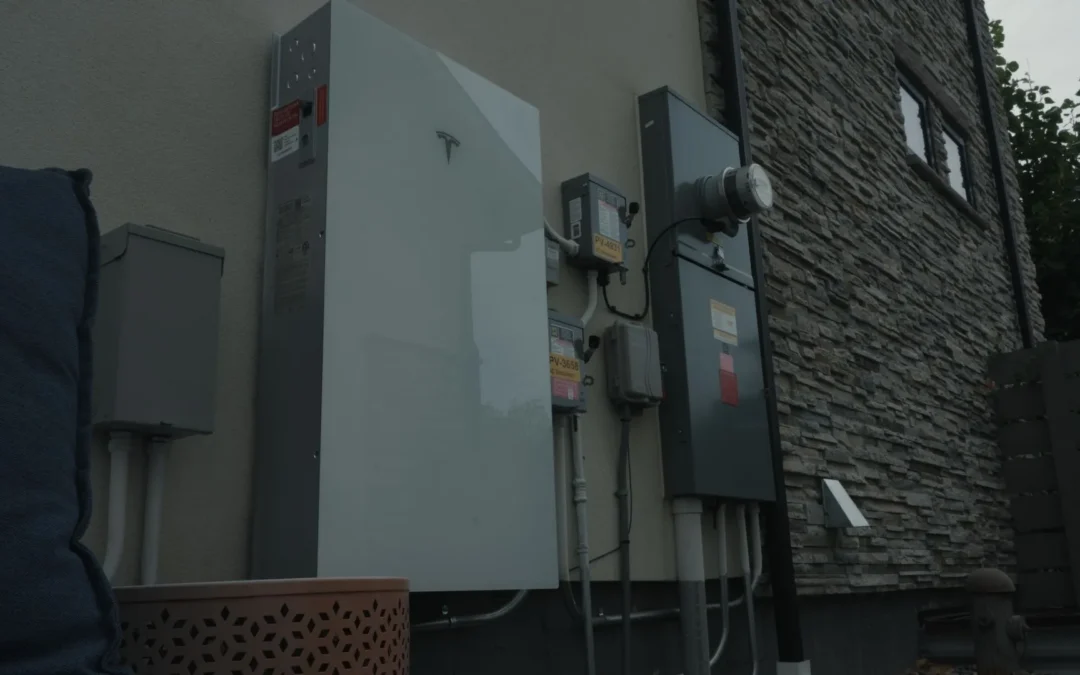
When you combine a heat pump with rooftop solar panels it’s clear to see the advantages. You’ll be able to heat and cool your home with the electricity you generated yourself from the sun’s rays. No gas line, no combustion gases, no exposure to fuel price swings, just electrons quietly doing their job. From the solar side of the industry, that alignment makes perfect sense. Energy trends are moving toward electrification, and equipment standards are following suit.

A Look Into Heat Pump Equipment
People often ask whether heat pumps are more complicated. Technically, yes. Practically, not in any meaningful way. All you’re adding a reversing valve and additional control logic to the system. Plus, maintenance doesn’t suddenly become dramatic. Reliability, when systems are installed and sized properly, isn’t inherently worse. Most issues our heating and cooling contractors see in the field come down to airflow problems, improper installation, or neglect. Generally, you can rely on the equipment to work exactly how it was intended.
Is a heat pump right for you?
There are still a few cases where a air conditioner makes sense, like certain commercial applications or properties that have specific budget constraints. But for the average homeowner replacing a system today, the cost difference between air conditioners and heat pump equipment is often modest compared to the added functionality you’ll get. You’re already paying for the compressor, already installing refrigerant lines, already placing the outdoor unit. Choosing not to include the reversing valve limits what the system can do for the next 15–20 years.
Get a Free Quote on Your Heat Pump System
If you’re installing a brand-new air conditioner in 2026, it probably ought to be a heat pump. Not because it’s trendy or a buzzword, but because it’s the same machine simply allowed to work year-round. And there’s something satisfying about equipment that’s actually permitted to use its full potential.