What to Expect from Your Solar Installation
Solar is an expensive addition to your home or business. As the best professional solar installers in Northern Colorado, Sandbox+ Solar can tell you all the ins and outs of what to expect from the construction side of your new solar panels. Even if you’re not in the industry, you may have a vague idea of how it goes up. At least you know it goes on your roof and it gives you energy to power your property. You’ve even probably seen the finished product while driving around your neighborhood. But since you’re investing in your own PV system on your property, it’s important to take an interest in how this installation affects your structure.
Structural Factors
There are a variety of structural factors that play into how your residential or commercial PV system is installed.
- Roof materials decide the attachments used to ensure your solar panels are stable on your roof.
- The height of your roof will affect access difficulty for our solar installers.
- The roof’s pitch will determine how difficult it is to install your new PV system.
- Depending on the type of siding materials you have, it can affect how and where gear and conduits are mounted.
- The access to the work zone is also important to determine our solar installation process, such as if we can drive a truck or van closer to the installation site.
- Also, the utility location in relation to the array(s) are important to consider to ensure your system is connected properly for ultimate energy efficiency.
Roof Materials
Composite Shingles
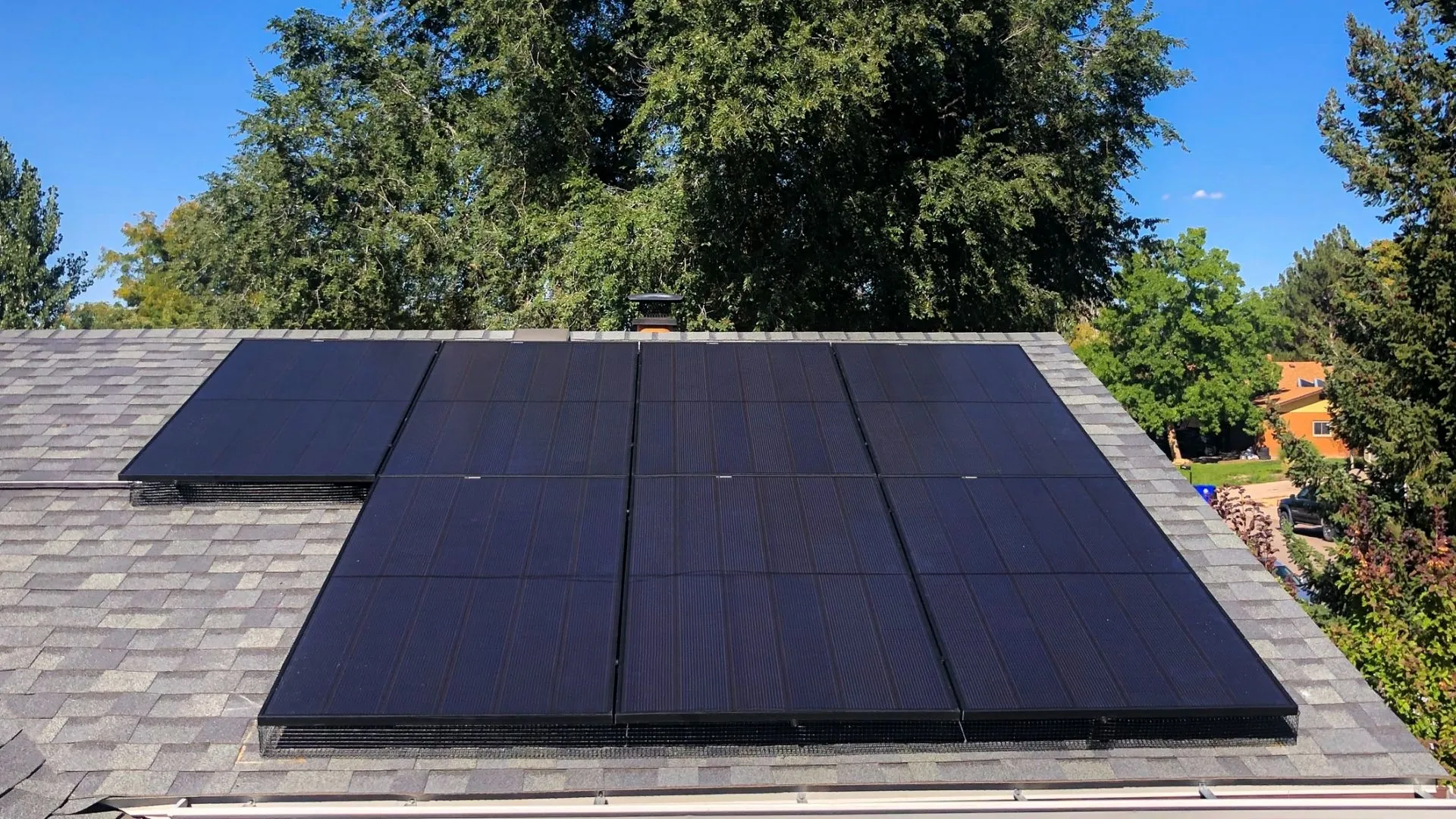
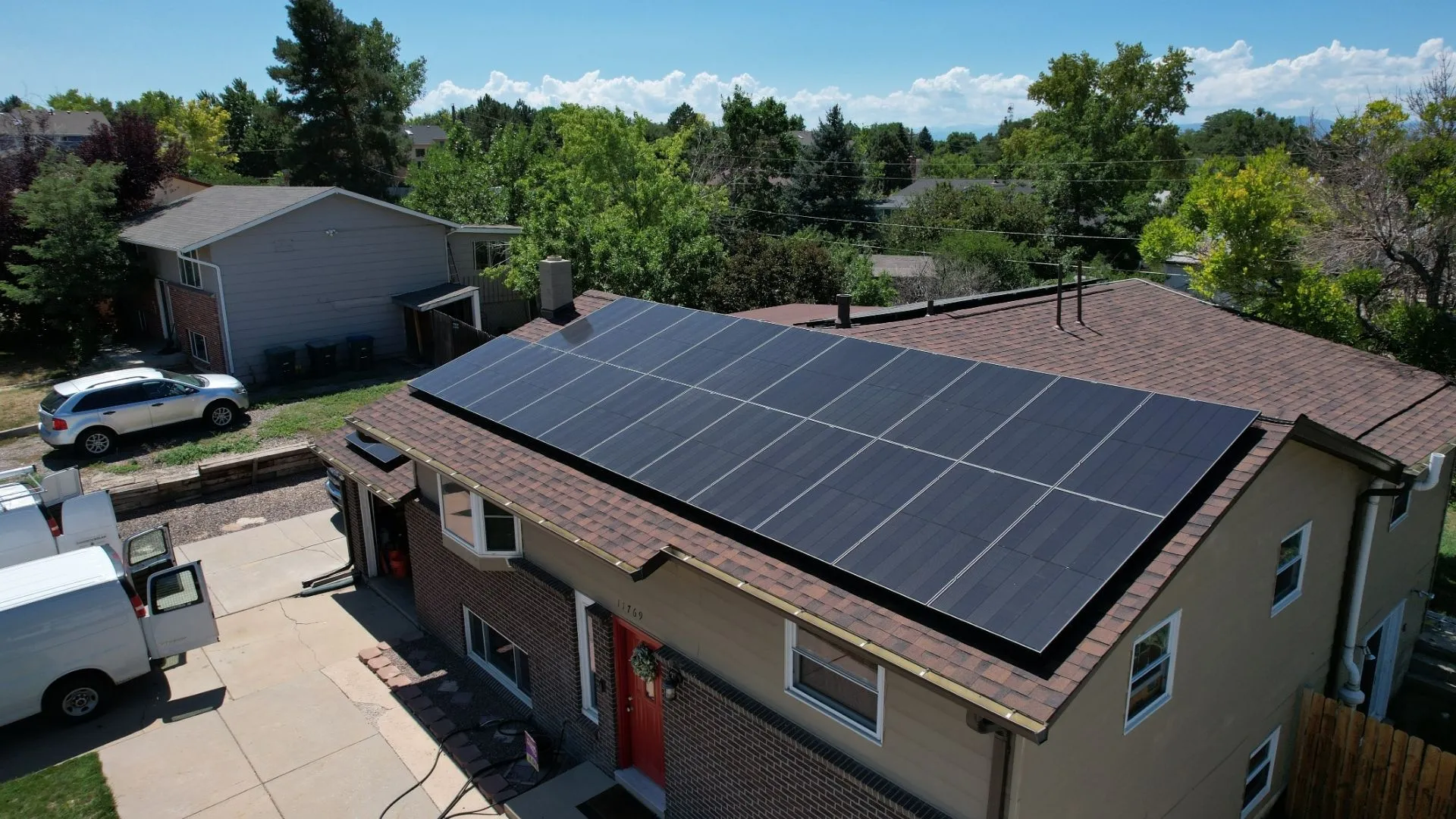
The most affordable PV system installations are done on composite shingles for roof-mounted solar panels due to its ease of installation. Its simple mounting method utilizes hardware that goes through the shingles into the rafters to create a secure connection. Other variations include roll or presidential shingles.
Metal Roofs
There are a variety of metal roof types including, standing seam, trapezoidal, and corrugated. Standing seam metal roofing is ideally the easiest to install solar panels on because clamps can attach directly to the seams. There is usually no to minimal penetrations in the roofing system. Trapezoidal and corrugated metal roofs require designated mounting brackets to ensure it is attached properly.
Tile Roofing
Installing solar panels on tile roofing materials are often the most expensive roof-mounted PV systems due to installation difficulties. It takes intensive knowledge from our solar installers in Northern Colorado to ensure we carefully remove stone-coated metal shingles or concrete tiles to ensure they don’t break, install the hardware, and replace the modified panels for a flush fit.
Membrane Roofing
Solar panel installations on membrane roofing are relatively simple. Some membrane roof products allow us to pierce the member; generally this type of installation uses a ballast system (weighted down blocks) to hold the PV system in place.
Ground Mounts
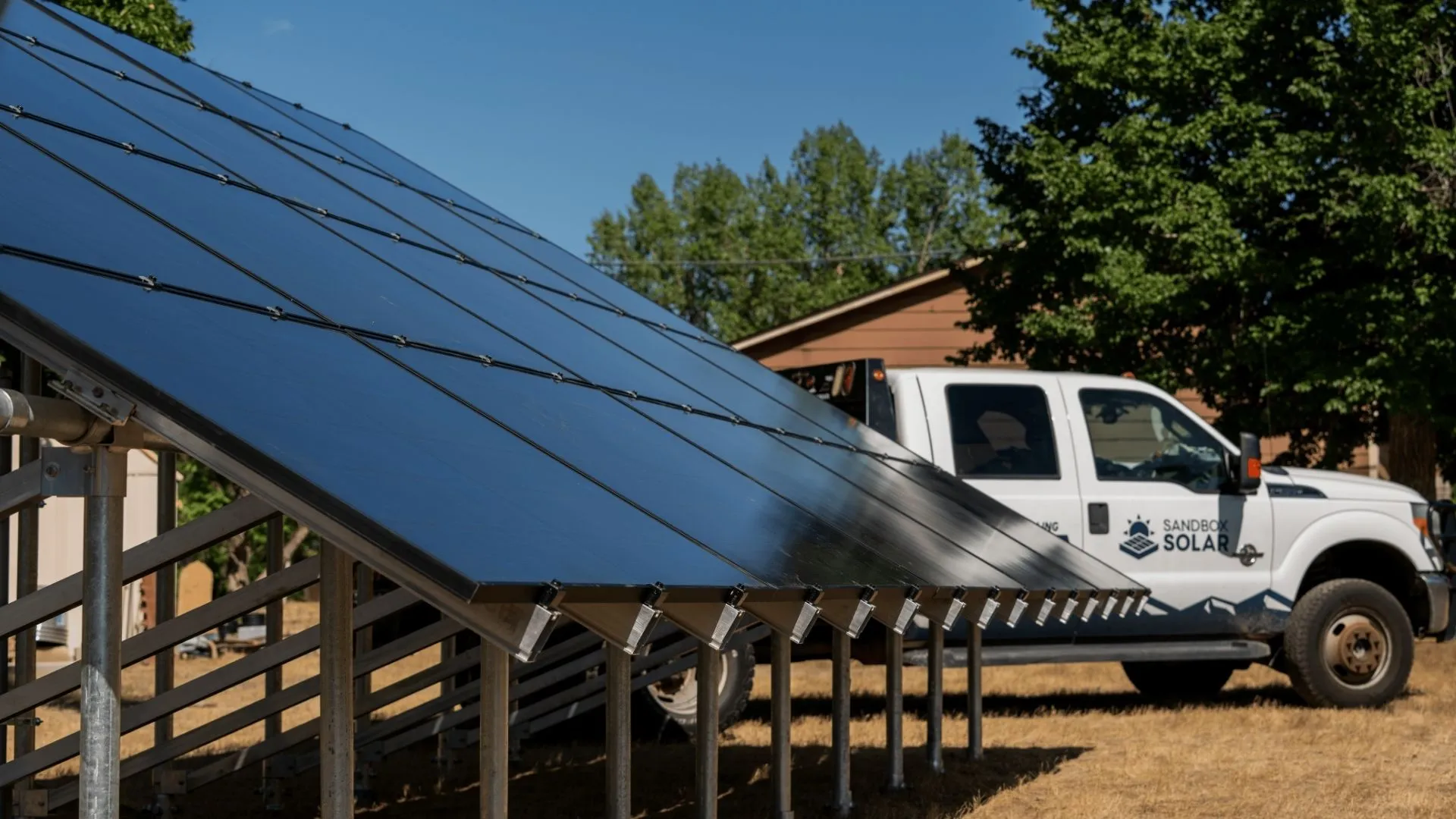
If we aren’t installing your solar panels on your roof, we utilize ground-mounted techniques to ensure your system is stable and in the most efficient position. Our solar installers can use a variety of mounting methods to accomplish this, including, ballasts, piles, concrete piers, grade beams, and even canopies or car ports.
Consistent PV System Factors
Safety
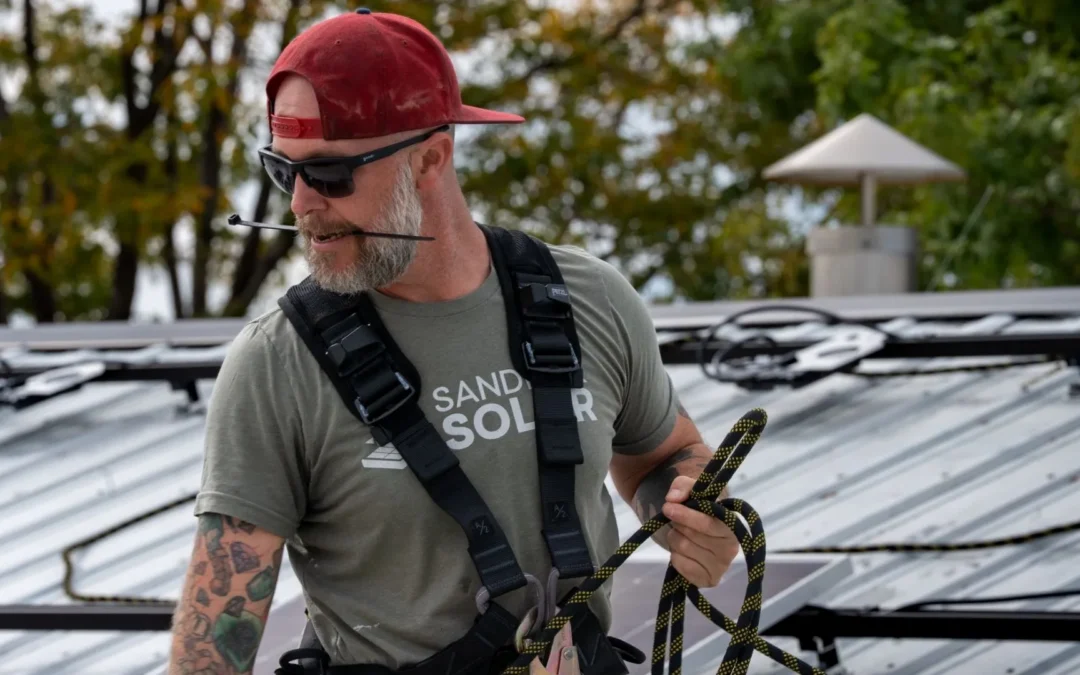
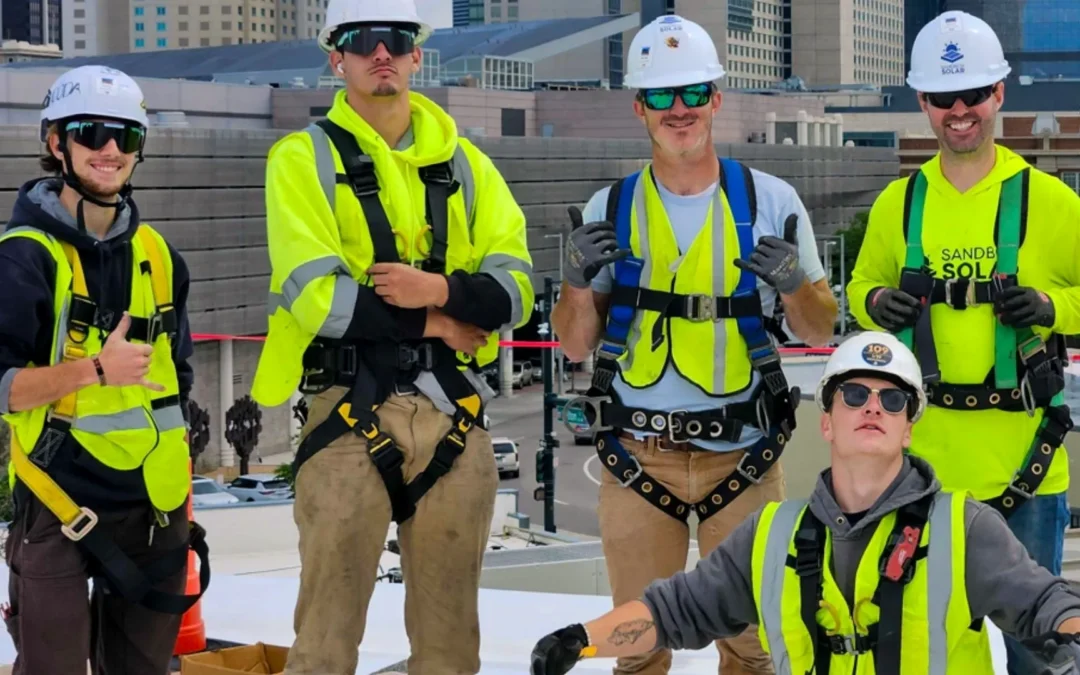
With a few exceptions, our solar installation crews are required to add and leave roof anchors during the installation and for potential, future service visits if your panels need to be repaired. If it’s a ground mount or using heavy machinery, our technicians may swap roof anchors for hard hats and high-visibility gear to prevent accidents. If it’s a flat roof, it may require cones and tape to distinguish the installation work area from hazards.
Noise
If we are installing solar panels on shingles, you are going to have people hammering on your roof to find the trusses. Regardless of the roofing material you have, you will hear impacts, drills, and saws on primarily metallic hardware. Please keep in mind:
- If you work from home, you should seriously consider how this may affect your calls, meetings, or concentration.
- If you have babies, recovering family members, or night-shift workers, consider how this will affect their sleep.
We can’t forget about our crews! Solar installations are hard work. Especially in the extremes of summer and winter. Music and banter help to pass the time! Sometimes it could be pop, hip hop, country, or death metal. Other times, it is unrelated conversations and laughs to keep spirits high during installations. Our teams are always professional but please understand if anyone gets relaxed with their words.
Foot Traffic
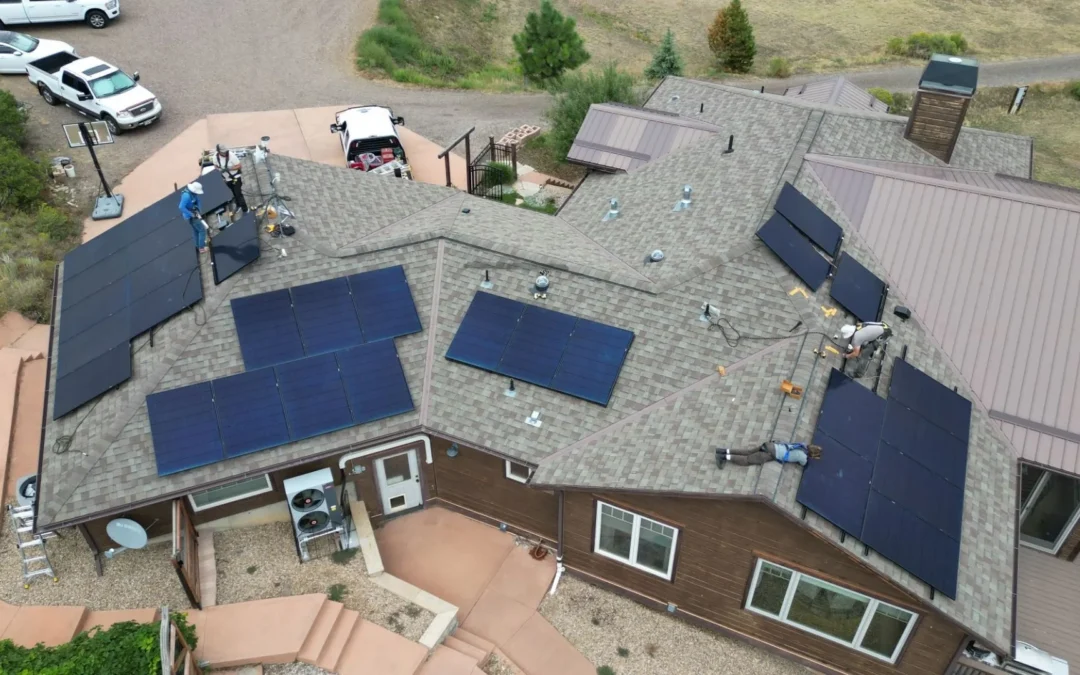
Our PV system installation crews can range from three to five installers on average. Not only will they be climbing all over your home, business, or yard, they may also need access inside the house either from running the internal conduit or mounting electrical gear. Don’t worry, our technicians are always respectful and mindful of your space. We try to have minimal disruptions inside of your space, but at the same time, we do want to make sure your system is set up correctly from the start so we will take the time to do it right!
The Actual Installation
There are three major parts of installing solar panels. There are the arrays, the electrical gear, and the conduit that connects the two systems.
Electrical Work
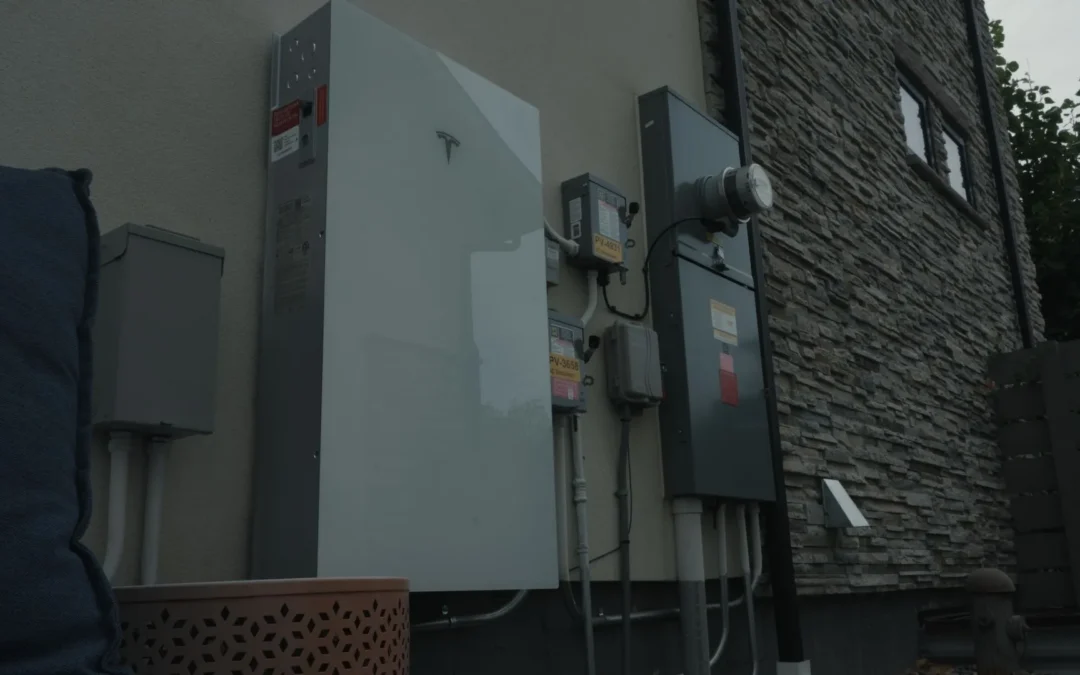
Ideally, our in-house electricians begin at your meter and main service panel to hang all the electrical boxes. At minimum, you can expect a couple of boxes. The AC disconnect and a combiner panel with manufacturers such as Enphase. Some systems will swap a combiner panel for an inverter such as Solar Edge. Others can have conduit routed directly to a home battery storage solution such as Tesla’s Powerwall 3.
Solar Panels
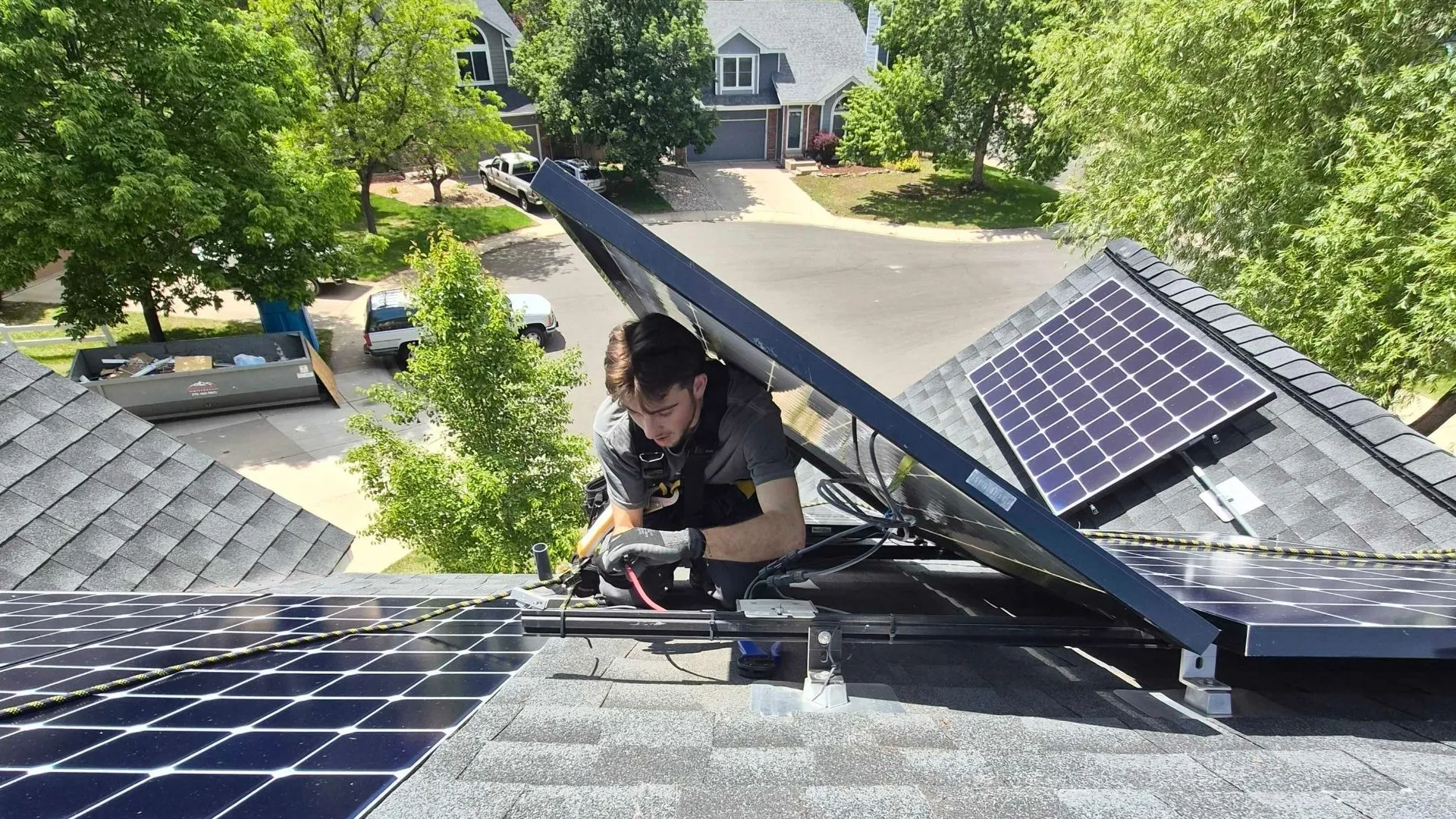
Meanwhile, our solar installers would be on the roof. For brevity, we will stick to talking about railed systems. The first step is always a layout with a gentle chalk to verify that the intended design physically fits. You never know if someone missed something early in the process. We want to identify any issues before we put holes in your roof. When the layout is confirmed, we install the anchors. The rail is then attached to anchors. Rooftop electronics such as microinverters, power optimizers, rapid shutdown devices, or mid-circuit interrupters are then attached to the rail and wired. The mark of a true professional is if they can make this part of the installation look good despite its inevitable covering by the solar panels.
Conduit Connection
If the crew is large and experienced enough, someone will be installing the conduit throughout this time. If not, then whichever crew (the electricians or solar installers) finishes their respective project first will jump in. The conduit simply brings the circuits from the roof down to the electrical gear; conduits can be internal or external. For internal runs, we use aluminum flexible (flex) conduits. For external runs, there’s a variety of different options but they are most often electrical metal tubing (EMT). EMT can also be used indoors but flex cannot be used outdoors. There are flex variants designed for outdoor use but it is less likely to look good long-term as they will eventually sag.
Schedule Your Solar Installation Today
Solar is a rapidly evolving, highly specialized trade. When it comes to our local solar company in Northern Colorado, we handles a wide range of projects to serve our customers and the communities we serve. Other solar companies will focus on standard, cookie-cutter residential solar projects. Here at Sandbox+ Solar, we are dedicated to providing tailored solutions to all everyone.