What Xcel Energy's Rate Increase Proposal Could Mean For You
Xcel Energy recently sent out a letter to all of their customers to inform them about a rate change proposal that was sent to the Colorado Public Utilities Commission for approval. This proposal states that long-term rate increases are on the way starting August 2026. This blindsiding move has left many homeowners uncertain about their upcoming bills
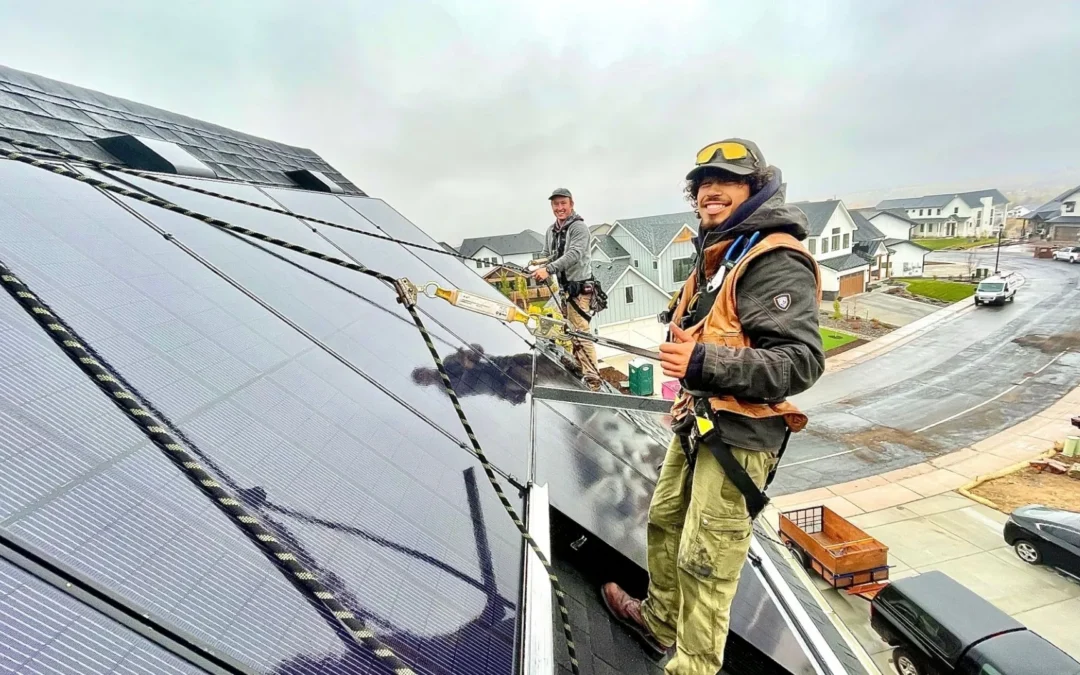
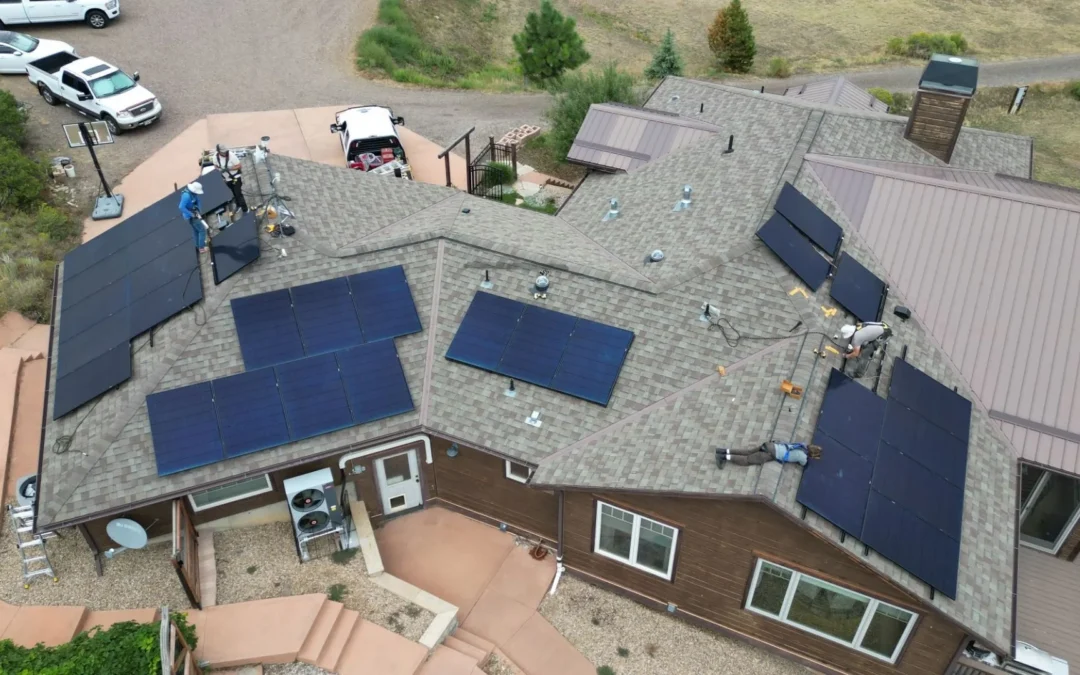
As your trusted solar company in Northern Colorado, we are here to keep you updated on shifting utility policies and help you take back control. By making the switch to rooftop solar, you can bypass utility hikes entirely while generating your own clean energy. Our team at Sandbox+ Solar would be happy to discuss your solar options if your looking to make the switch!
Xcel Energy Rate Increase Proposal Update — 8/20/26
The Colorado Public Utilities Commission has officially approved Xcel Energy’s rate increase proposal. Xcel Energy initially proposed a $365 million increase in order to make updates to the grid. However, the Public Utilities Commission did not approve the full rate increase. They only approved $157 million, so Xcel Energy customers can expect their electric bills to rise by $5 per month starting at the end of 2026. For more information, click here to read an article from The Colorado Sun.
Xcel Energy Rate Increase Proposal Update — 6/15/26
Xcel Energy’s initial proposal justified the rate hike as a painful but necessary step to fund grid infrastructure modernization to meet energy demands and wildfire mitigation. However, this increase has sparked concerns with consumer advocates for many reasons. One argument is the fact that regular families are being forced to shoulder the weight of grid upgrades while a corporation protects its bottom line and stakeholder profits during a cost-of-living crisis.
Advocates are also pushing back against a portion highlighting Comanche 3 since customers are still paying for an inoperable Pueblo-based coal plant that has been down for repairs since August 2025. The settlement ultimately protects Xcel Energy’s ability to collect on Comanche 3, offering only a conditional $30 million penalty if the plant’s underperformance continues.
Xcel Energy also stated how they haven’t had a formal rate increase since 2023. Even though that’s true, advocates have pointed out that there have been rolling riders and hidden adjustments over the last three years that caused energy bills to increase by 22%. If the Public Utilities Commission approves the proposal, it will officially be the largest electric rate hike in Colorado history.
Communities urged the state to reject the deal entirely to push the proposal into a transparent, public hearing that started on June 11th, 2026. Looking for more information? Click here to check out this article from The Colorado Sun.
A Look at Xcel Energy's Recent Letter
Did you catch this line in Xcel Energy’s recent customer letter?
“Depending on the amount of the increase approved by the Commission, the average residential customer who receives both electric and natural gas service could see a total bill increase of up to 10.5% per month, starting late this year.”
As the utility increase proposal is still being reviewed by the Public Utilities Commission, homeowners should start preparing for the potential of what the future of energy costs will look like and evaluate their options for long-term stability and reliability.
The Perfect Storm: Seasonal Spikes vs. Systemic Hikes
Every homeowner in Northern Colorado is familiar with the natural rhythm of summer utility bills. When July and August bring triple-digit heatwave, our air conditioning units work overtime just to keep our families comfortable. It’s a seasonal hurdle we’ve all learned how to budget for; but usually, we can look forward to the relief of cooler fall temperatures to offset the more expensive months.
Unlike a seasonal spike driven by your energy usage, a systemic hike changes the baseline costs of every kilowatt-hour you pull from the grid. This means the underlying rate structure itself is permanently shifting. You won’t just be paying for more electricity to cool your home this August. You will also start to pay more for that electricity consumption.
When you layer a systemic rate increase directly on top of a seasonal usage spike, you get a financial perfect storm. Instead of your bill returning to normal when the summer heat fades, you will have to prepare for a new normal.
Why does the cost of power keep climbing?
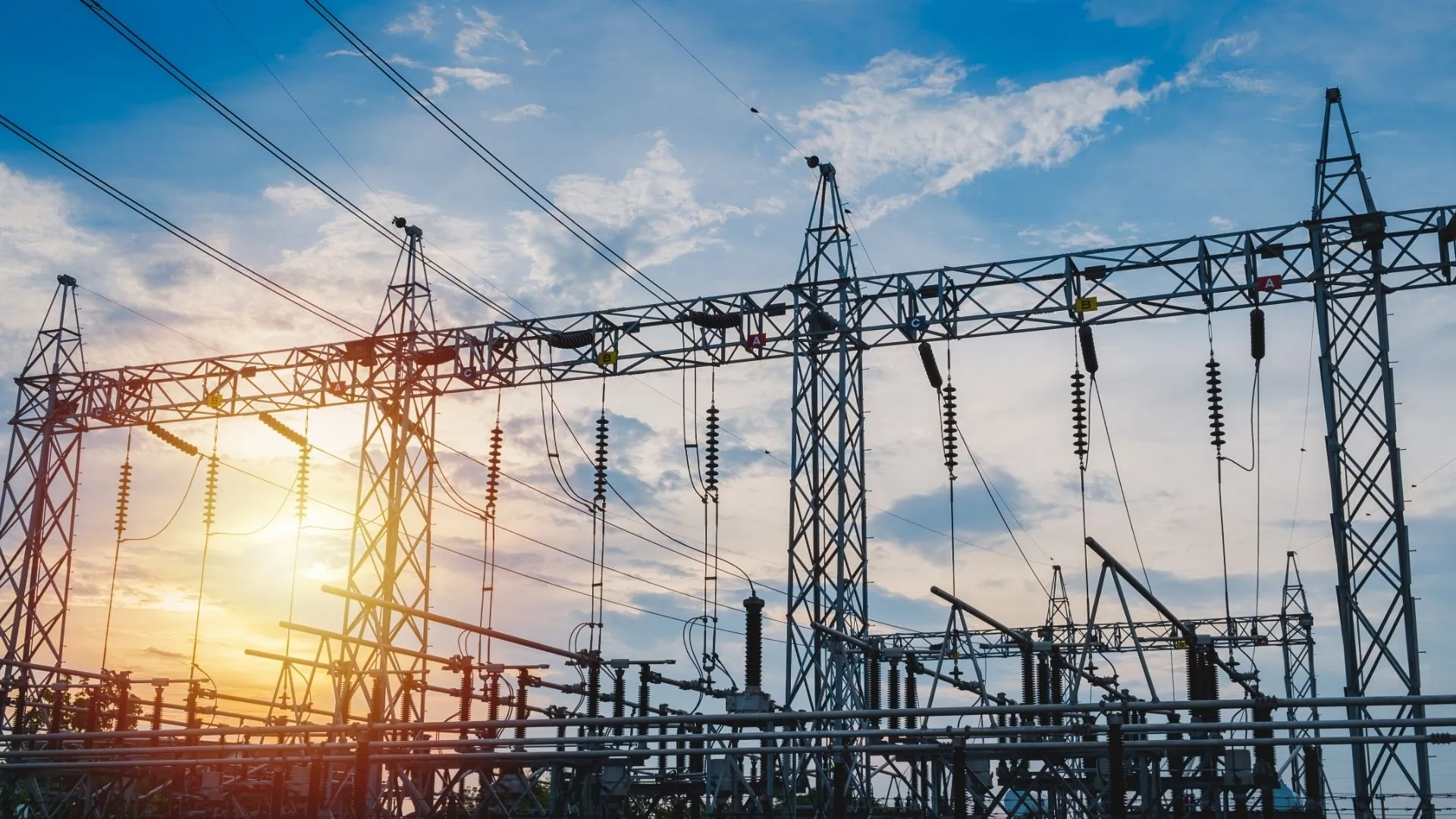
This is probably one of the most important questions to ask when it comes to utility rate increases. But it’s important to look at the bigger picture to truly understand why it is happening. The core of Colorado’s electric grid was built decades ago that isn’t quite built to withstand our modern needs. Between the massive power demands of new technology and data centers, the transition to home electrification, and adoption of electric vehicles, the aged grid infrastructure is strained from the energy demand.
To try to prevent widespread grid failures and weather disruptions, utility companies are starting to put major investments into the grid. To tackle this, Xcel Energy announced a plan to invest about $17.5 billion into Colorado’s electric grid to modernize the system and create a more reliable infrastructure moving into the future. However, as long as you rely 100% on the traditional grid, your increased monthly bills will act as your part in investing in the expansion.
The catch is that under the current monopoly rules, the more a utility company spends on infrastructure, the more profit they are legally allowed to make. That profit doesn’t go back into lowering your rates, it goes directly out of Colorado to pay dividends to external stakeholders. As long as you rely 100% on the traditional grid, your increased monthly bills act as your part in paying for their corporate growth.
How You Can Save Money
While you can’t control utility rate increases, you aren’t entirely powerless. There are strategic steps you can take to keep more money in your pocket.
Work With TOD Rates
Time of day (TOD) rates mean the price you pay for electricity changes depending on when you use it. On-peak hours are when electricity is most expensive. But if you can shift your habits to off-peak hours, such as, early mornings, nights, weekends, or holidays, you can run your energy draining appliances while taking advantage of the lower rates.
Make Energy-Efficient Upgrades
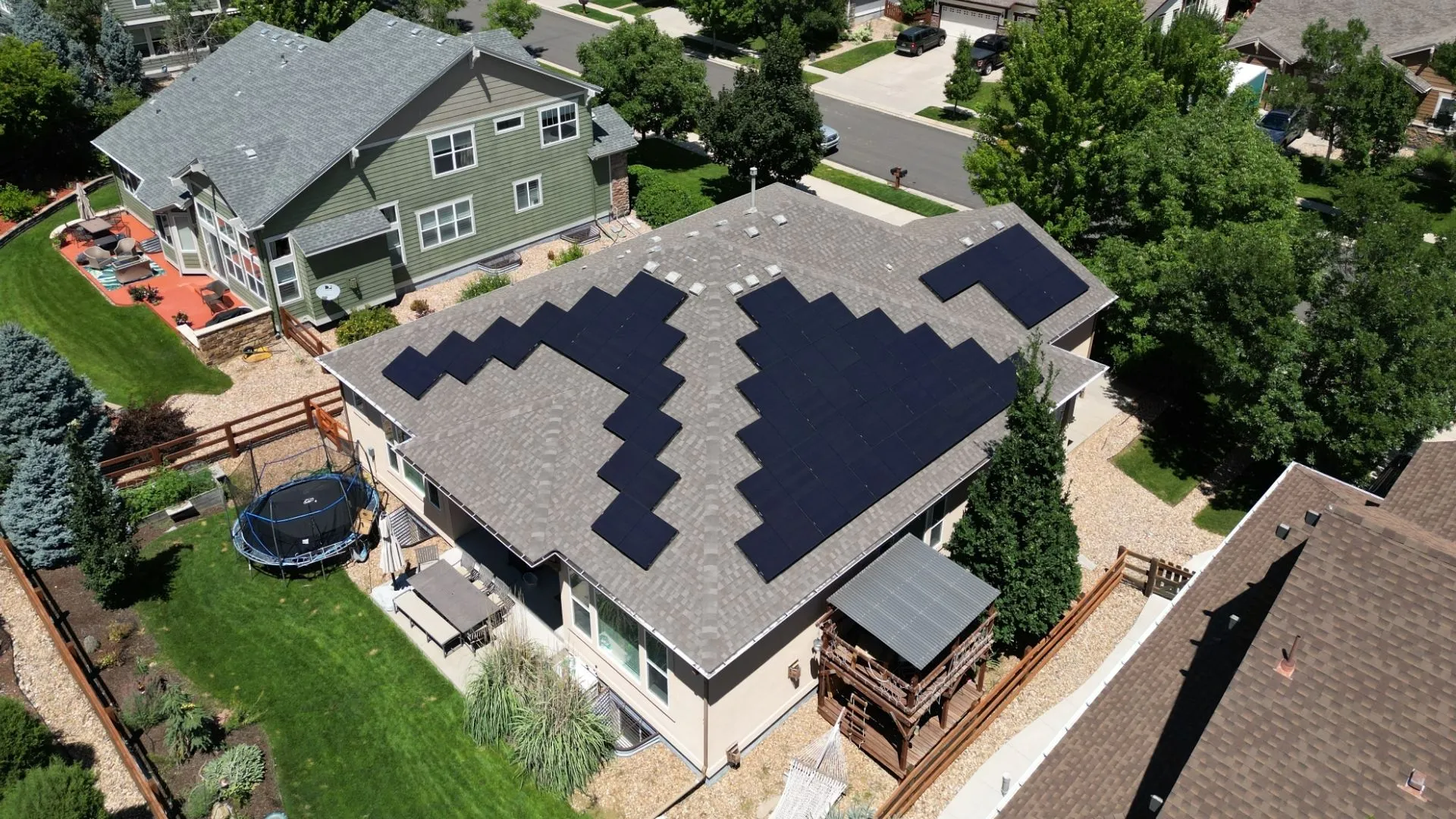
The best long-term solution to reduce your bill is to lower the amount of power you have to rent from the grid. Investing in energy-efficient upgrades like solar panels, battery energy storage systems, and heat pumps, you can start owning your energy and stop relying on the grid. Instead, you can produce energy right from your roof and use it to power your home the way you want to without worrying about utility rates.
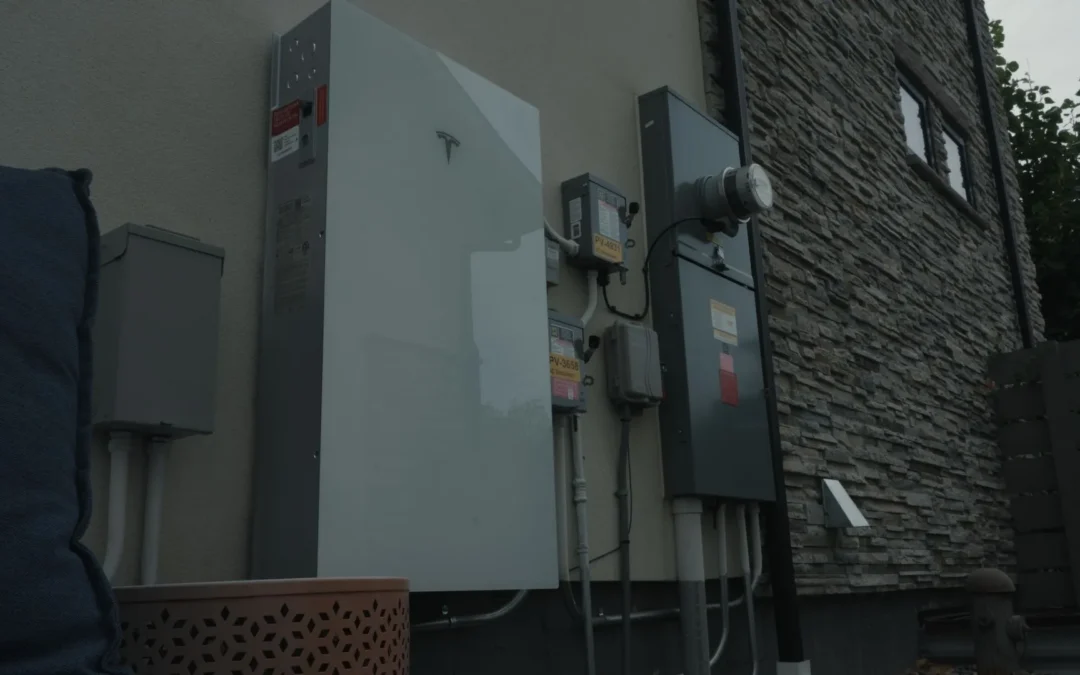
There are so many benefits when you get all three systems installed in your home. Your rooftop solar panels will generate useable energy to power your home. A backup battery can store any excess energy your PV system produces so you can utilize that energy even when the sun is down. Plus, a heat pump runs mainly off of electricity instead of gas so you can heat and cool your home on your own terms without worrying about the thermostat settings impacting your bill.
Take Advantage of Incentives and Rebates
Upgrading your home doesn’t have to break the bank. There are different incentive and rebate options offered from the state and local organizations to help make clean energy home upgrades more affordable when it comes to the upfront investment. As Northern Colorado’s top solar company, we help all of our customers capitalize on their savings when it comes to solar, backup battery, or heat pump installations. We work closely with you to help make the process as seamless as possible to help you reach your long-term energy goals.
Lock in Predictable Energy Costs
Ultimately, the upcoming rate increases are a clear reminder that traditional energy costs will always be a moving target. Going solar allows you to find more financial security from volatile energy rates while making an investment toward your own property.