Colorado 2026 Guide: When Heat Pumps Work (and Don’t) in Colorado
How does a heat pump make heat?
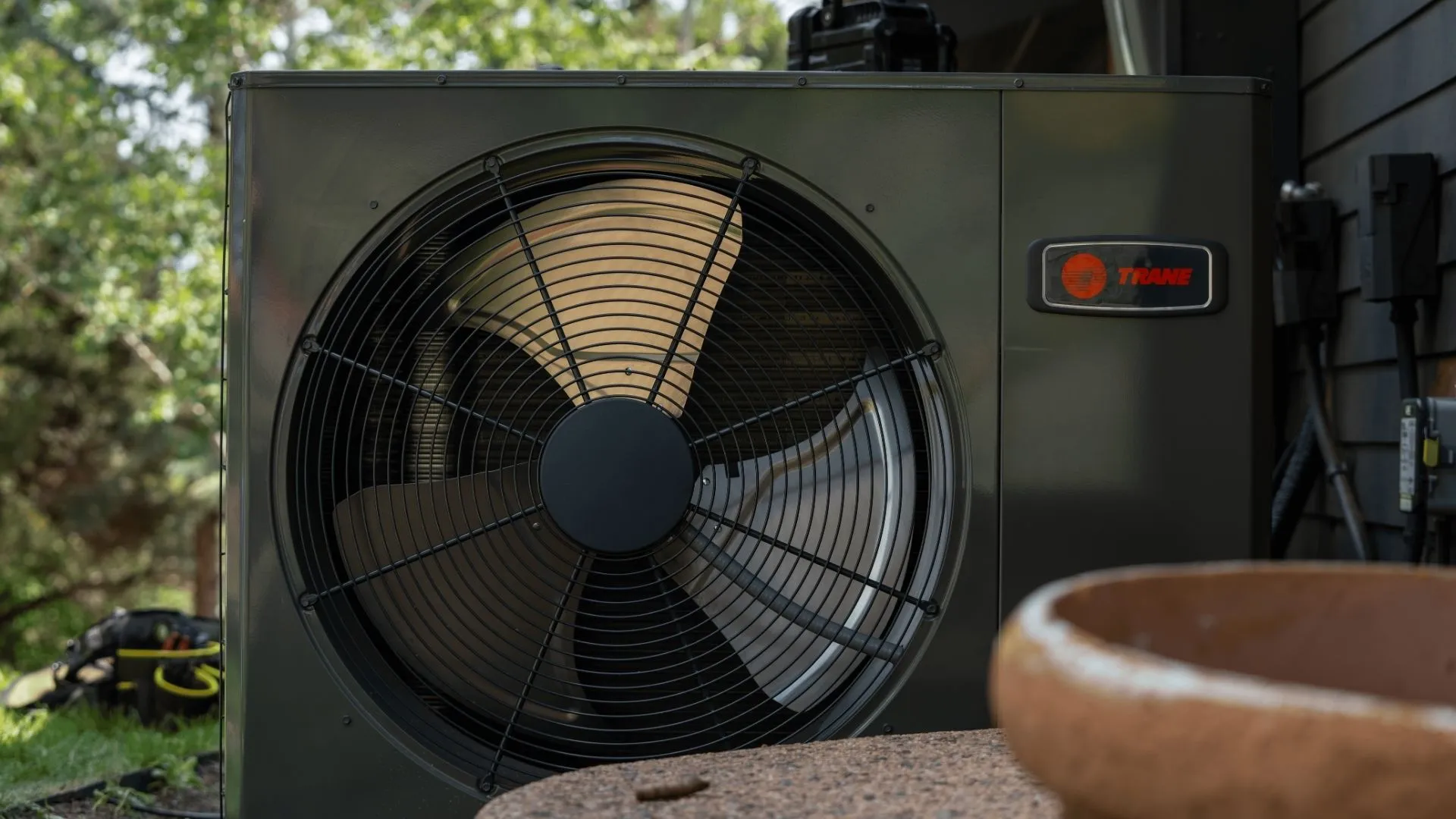
A heat pump doesn’t make heat like a gas furnace. In fact, it’s quite different. Most people get confused about where the heat comes from if it’s cold outside. The reality is that it may be cold outside but that doesn’t mean there is no heat. Zero degrees is -459° Fahrenheit, so at 0° Fahrenheit, there is plenty of heat energy available in the air. A gas furnace can be up to 100% efficient because it produces heat. A heat pump can be 300% to 400% efficient because it moves heat instead.
Does a heat pump work in Colorado?
Yes, heat pumps can work in Colorado quite well. Modern cold-climate heat pumps can function at or near 100% efficiency even at -10° Fahrenheit. Colorado’s climate can drop to temperatures lower than that, which is why most heat pumps will have an auxiliary or backup form of heat (electric or gas). This will ensure your home remains comfortable during those cold days.
Since the heat pump does all of the cooling and most of the heating, the backup furnace will only have to turn on occasionally during peak cold days. This will extend its lifespan and keep it running at its peak efficiency when it is needed.
When do heat pumps struggle?
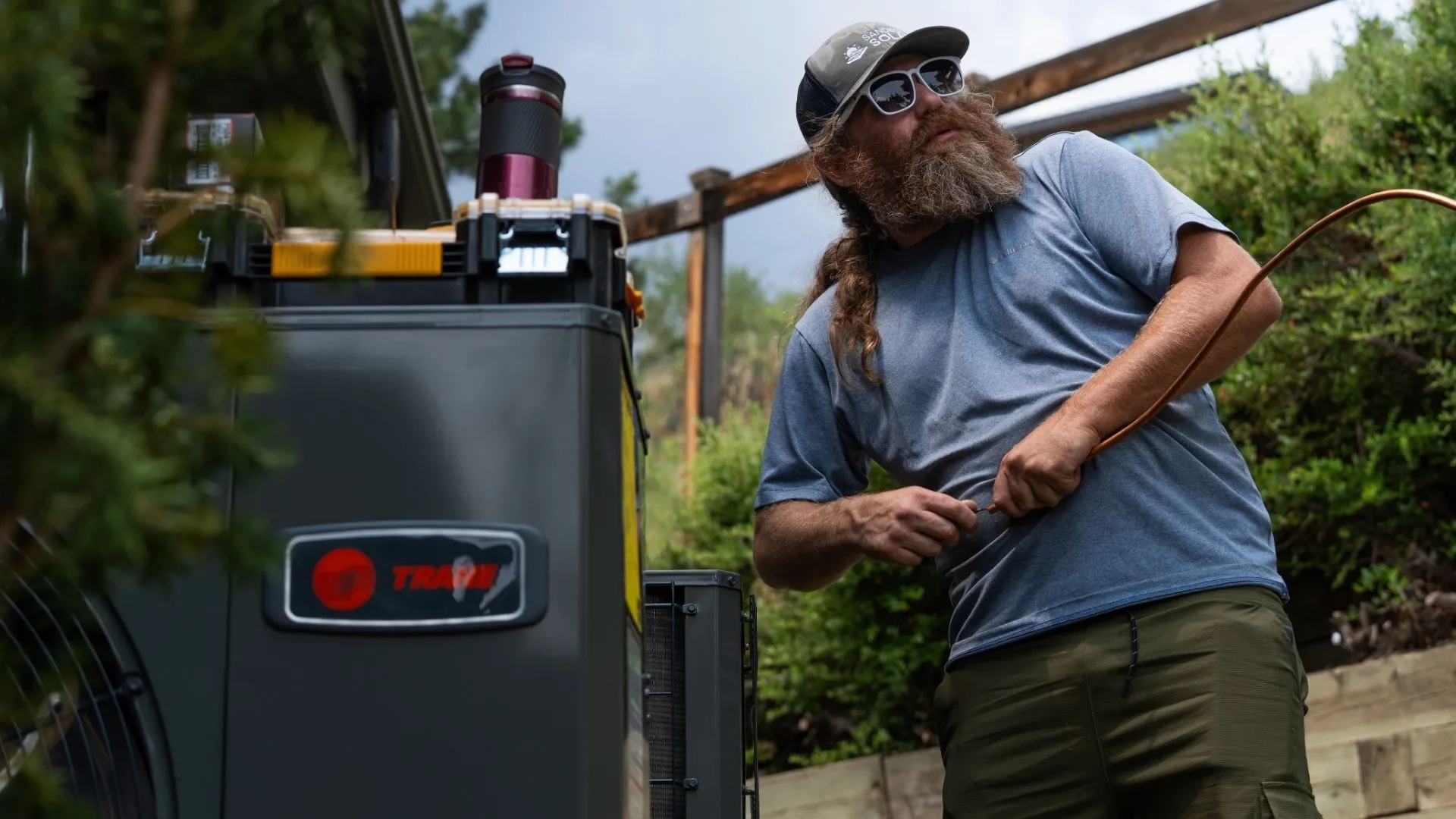
Heat pumps will struggle if the unit has not been properly installed, if it has not been maintained, or if it has not been properly sized for your space. Once those issues are resolved, the biggest struggle that Colorado homeowners will find with their heat pumps is related to outdoor temperatures. The less heat that is available in the air, the less the system will be able to transfer to the home.
This is why people often mistake their heat pump for not working in cold climates. In reality, many of those issues are related to poor design or misunderstanding how the system actually works. Heat pumps do not “create” heat but they can move it through the home using a blower and duct system. That’s the reason why heat pumps are almost always paired with gas furnaces or electric air handlers for backup heat. For homes that do not have ductwork, there are also ductless systems that use the same technology!
When do heat pumps work best?
Heat pumps will work best when they are properly sized and installed for Colorado homes. In fair temperatures (-20 degrees Fahrenheit to -40° Fahrenheit), they will be extremely efficient and can handle all of the heating needs of a home.
Just remember that a system’s “lowest operating temperature” is not where it should be operating most of the time. It’s like a car that can reach 140 mph but it’s not designed to spend most of its time at that speed. When installed correctly, a heat pump will handle the majority of the heating needs of a home throughout the winter months, only requiring backup heat on the coldest days of winter in Colorado.
When would a heat pump NOT make sense?
Most of the situations in which a heat pump “doesn’t work” are not the fault of the heat pump itself but rather of some other element of the home or system that is causing problems. If ductwork is too small or airflow is restricted, no HVAC system will perform well. In Colorado, the biggest problem is cold temperatures. However, if a system is designed with proper sizing, airflow, and backup heat, a heat pump makes sense almost anywhere.
Why Sandbox+ HVAC?
Start the Process of a Heat Pump Installation
If you have a house in Colorado, a heat pump makes sense for you. If you know when they work well and when they might struggle, you’ll be able to care for your unit for years to come. If you’re thinking about installing one, make sure to go with an HVAC company that understands your local conditions well.
When you choose Sandbox+ HVAC, you can count on us every time! Contact us today to discuss your heating and cooling needs.