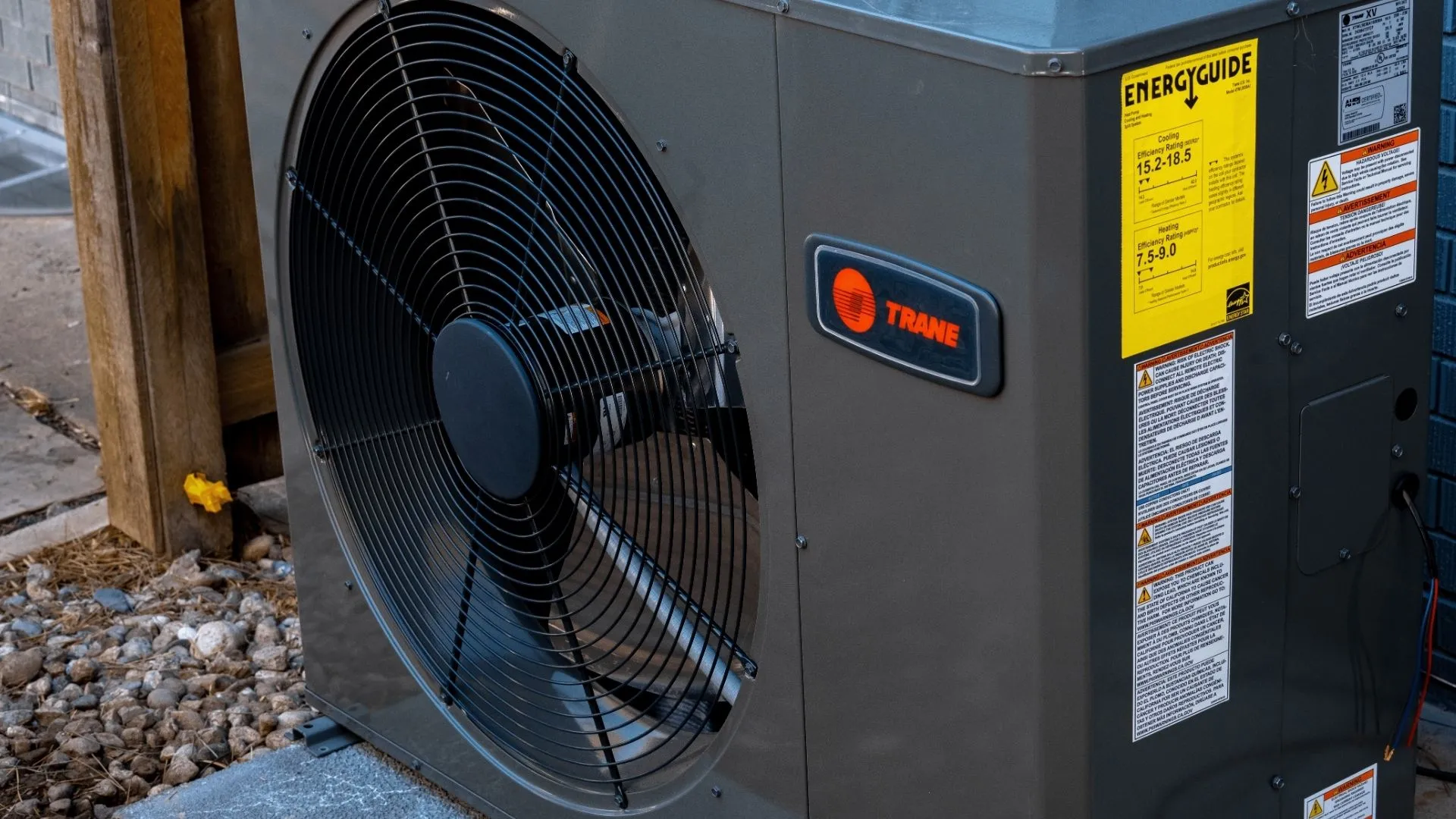
What is a Mini-Split HVAC System?
A mini-split system can be used for just a single room which ultimately saves money on utility bills. Instead of using a traditional central HVAC system utilized for whole home operations, you can simply. It can be used primarily for heating or primarily for cooling purposes, or both. This efficient unit can replace expensive baseboard, electric resistive heating for more efficient household heating.
Sandbox+ HVAC is Colorado’s best HVAC and solar company. We are a self-sufficient home energy provider that can optimize heating and cooling solutions tailored to your specific energy needs. In this article, we will answer the following questions so you can get more familiar with the system:
- What are mini-splits?
- How do mini-splits work?
- What are the best use cases for mini-splits?
- How do mini-splits work with solar energy?
- What are the best brands for mini-splits?
- What are the costs and incentives for mini-splits?
Mini-Split System Crash Course
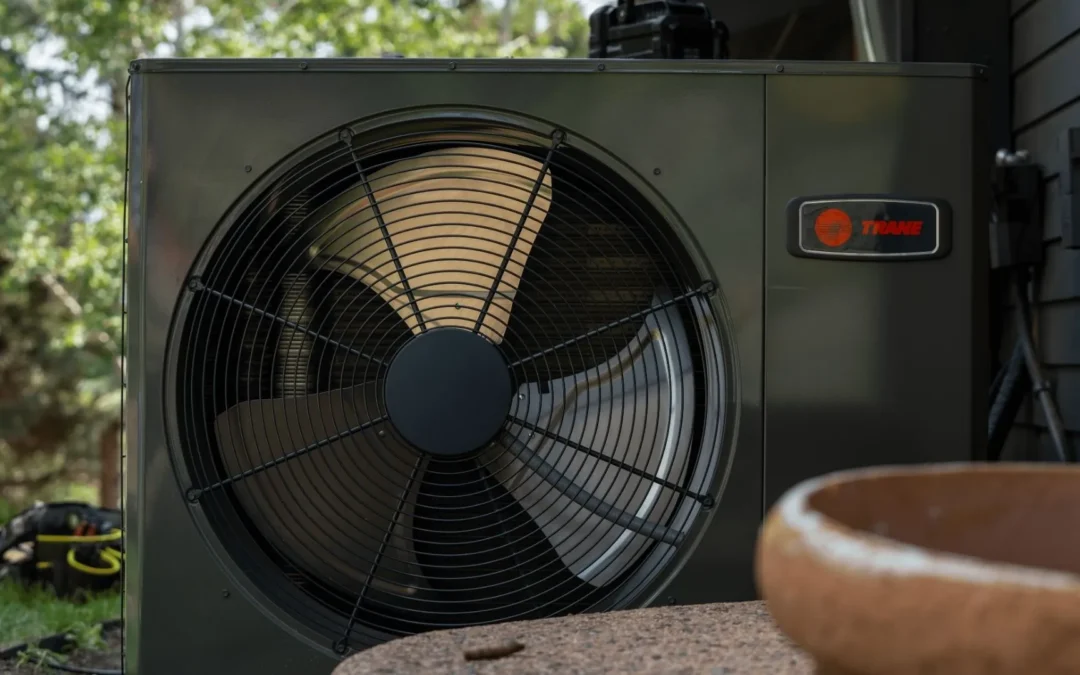
A mini-split is a multi head HVAC unit that can heat and cool spaces. Mini-splits are similar to air source heat pumps where the refrigeration is exchanged with hot air outside or hot air inside to bring heat in or out of the home.
Mini-splits are great because each unit comes with its own thermostat and control device. So, if you have a hot room upstairs by the garage or a cold room downstairs in the basement, then each room can be controlled to optimize comfort. One follow up question we get. Can you heat and cool at the same time with a mini-split? The answer is yes, but they must have two separate condensers.
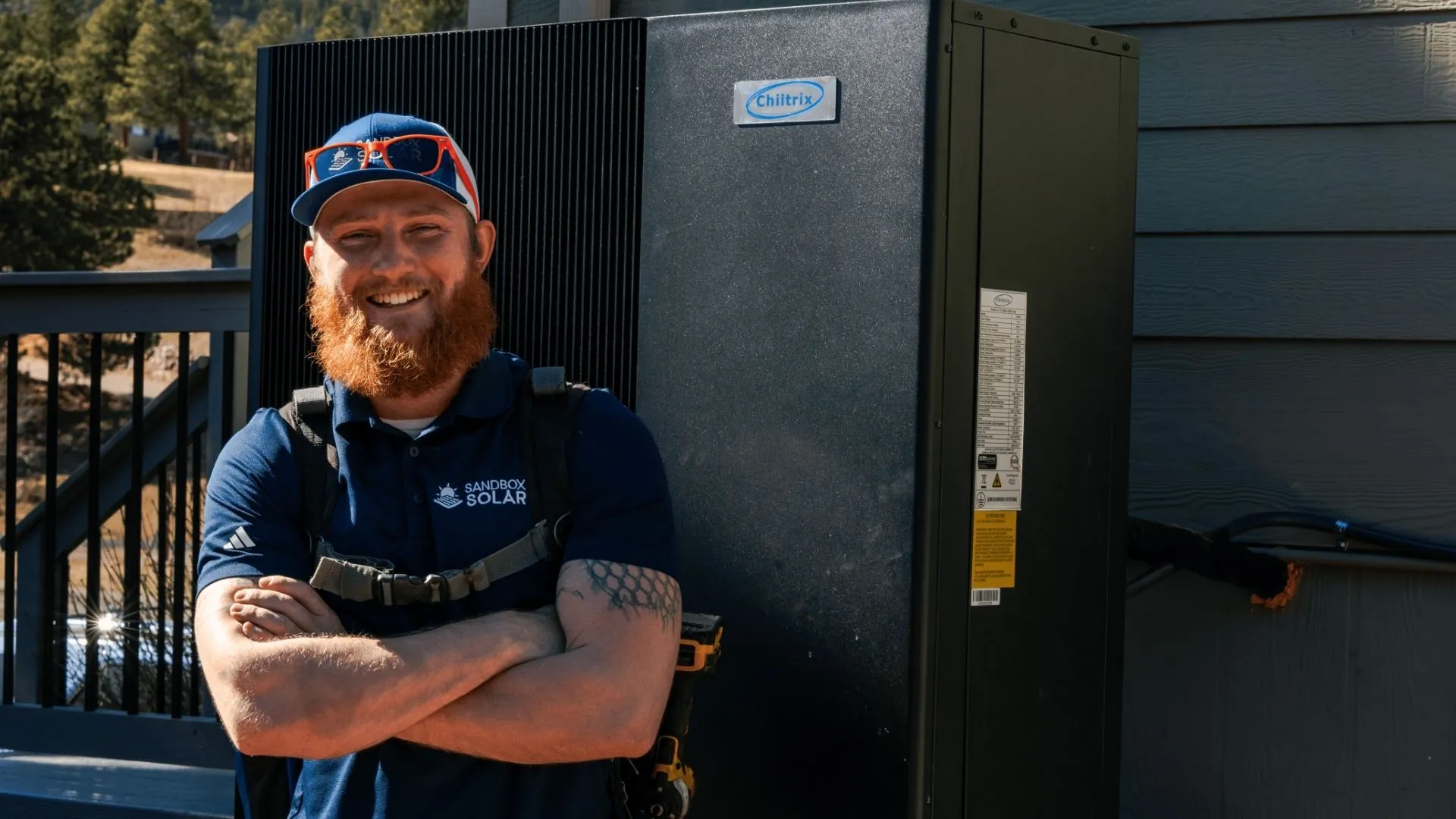
Best Use Cases for Mini-Splits
The best is to control specific rooms of the house that are uncomfortable and hard to maintain temperature. A mini-split can directly target these rooms and turn them into the most well maintained area of the house. Another great option is where HVAC ducting has not previously existed. Mini-splits are typically the best option, because there aren’t already air ducts to convert to, so these wall mounted (and ceiling mounted) units can be a lot easier and cheaper to run to the essential areas of a house.
Typically in these homes, you have electric baseboard heating or boiler type systems that can be expensive to heat a home. A Mini-split can be a great targeted use of these areas to optimize the overall use and efficiency of a home. A Mini-split can also be used for accessory building or rooms such as finished garage spaces, finished sheds, guest houses, and so much more. These systems provide a versatile and efficient way to heat and cool these spaces only when you need them to.
The Combination that Reigns Supreme
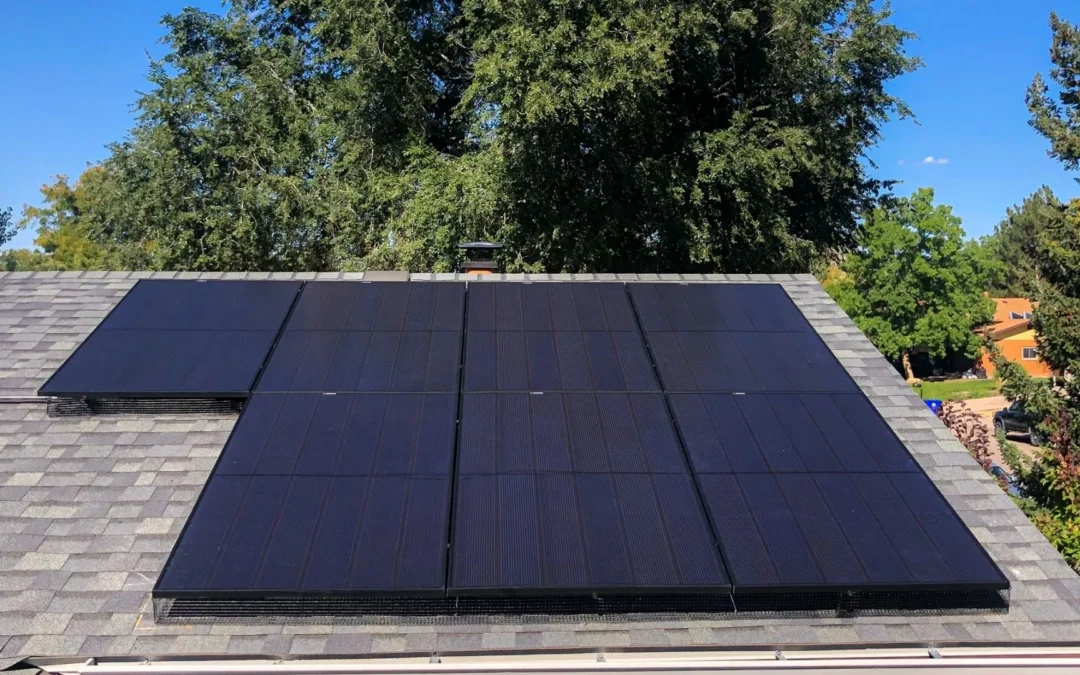
Mini-splits pair with solar really well. These energy efficient HVAC units use electricity to pump the radiated heat to or from the refrigerant to heat and cool spaces. When you produce your own energy with solar power, you can use that solar energy to run the mini-splits off the sun. Any excess energy can be sent to the rest of your home or the grid in order to receive net metering credits to offset your electricity bill. Imagine heating and cooling your spaces with energy from the sunshine instead of having to pay exasperating utility bills!
Mini-Split System Brands
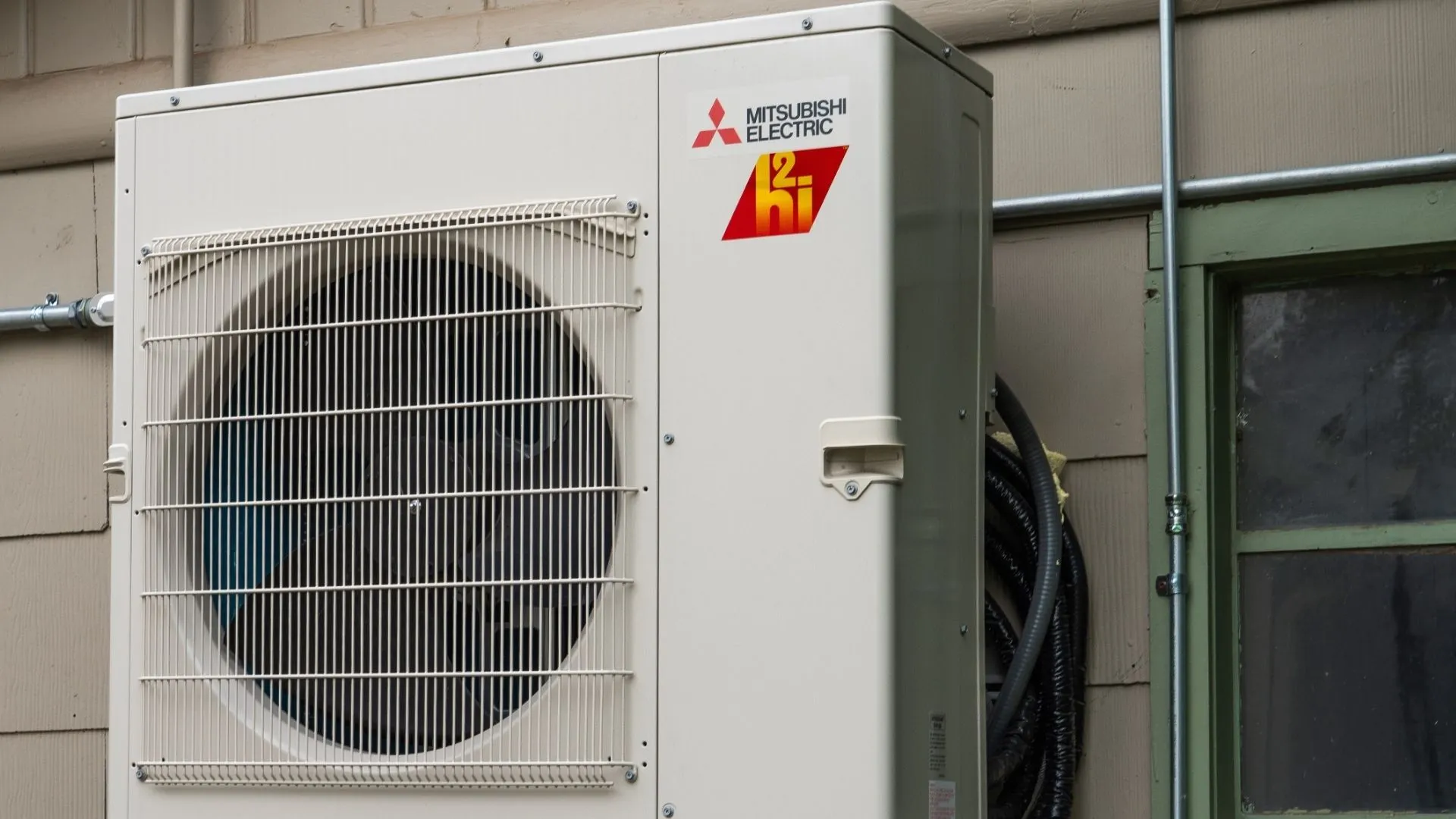
There are many brands out there that offer mini-split systems. Some you can even procure from hardware stores and online retailers; however, we caution that. What you don’t typically see is the efficiency rating of the mini-split system and how well it will perform over time. At Sandbox+ HVAC, we have vetted a dozen manufacturers and providers for their longevity, warranty, history, technology specs, and costs. Our brief assessment is below.
- Mitsubishi is by far the most efficient mini-split system on the market and they have held that title for years. They are known for their “Hyper Heat” systems that work the best in the Colorado climate.
- Daikin is one of the largest manufacturers with probably the most installed systems in the world.
- LG is a solid option that generally meets criteria with a cost-effective solution.
- Panasonic is new to the game but has come out strong with a lot of monitoring and technology advancements.
Why You Need Professional Mini-Split Installations
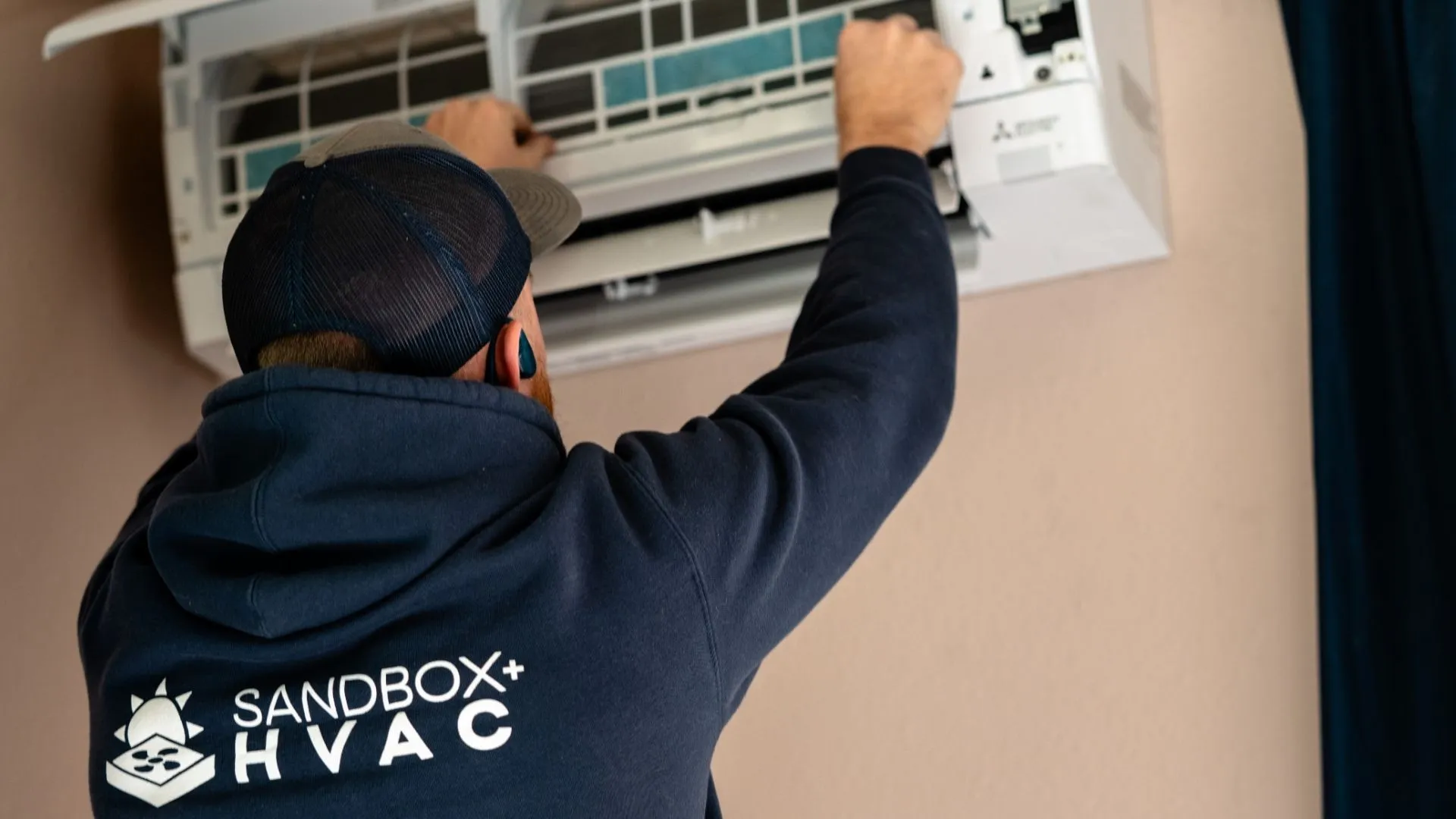
Our team of professional HVAC installers cautions DIY installations because you may or may not be eligible for rebates. You also need to ensure that none of the copper and refrigerant lines are kinked during the installation. That’s where our expertise comes in.
Brazing the copper line is a key and technically trained task. Most homeowners don’t know that without brazing, soot can form inside of the copper pipes which ultimately leads to clogs, expensive repairs, or expansion valves to keep up with these modern high-efficiency units. If this is not done right then the mini-split system will lose a lot of efficiency or not work at all.
Understanding the Costs
Costs for mini-splits can range from $6,000 to $28,000 depending on how big the system is, how many heads are used, and how difficult the installation is. Figure about $7,500 per head to budget accordingly. However, there are a lot of different rebates that also can help with this upfront cost. These incentives are constantly changing and dependent on the utility. As we write this article there are state incentives up to $12,000. Contact our staff today to learn about the current available incentives for your mini-split system.
Connect with Us Now to Invest in Your Home’s Efficiency
Mini-split systems are an awesome way to achieve a self-sufficient home. Just like solar and home battery storage, the technology and incentives are changing rapidly. Our team of heating and cooling experts in Northern Colorado are here to help guide you on this information to design the optimal system for your needs.