Local Colorado HVAC Company
EXPERT DUAL FUEL HVAC INSTALLATION & SERVICE
Professional dual fuel heat pump installation, maintenance, and repair from trusted local technicians for efficient, dependable comfort in every season.
Why make the switch
SMARTER HEATING WITH BUILT-IN BACKUP
Dual fuel HVAC combines an efficient electric heat pump with the dependable backup of a gas furnace. The heat pump handles most of your heating and cooling needs, while the furnace automatically steps in when conditions demand it, giving you efficient everyday operation without sacrificing comfort during Colorado’s coldest weather
EFFICIENCY WITHOUT SACRIFICING COMFORT
A dual fuel system relies on the heat pump for efficient everyday heating and cooling, using the gas furnace only when additional heating capacity is needed.
BUILT FOR COLORADO WEATHER
Modern heat pumps perform effectively in cold conditions, while the backup furnace provides added heating capacity during extreme winter temperatures for dependable year-round comfort.
A SMARTER WAY TO UPGRADE
Homes with an existing furnace and ductwork can often transition to dual fuel without the electrical upgrades that may be required for a fully electric system, making it a practical retrofit option.


HYBRID HVAC BASICS
WHAT YOU SHOULD KNOW ABOUT DUAL FUEL HVAC
WHAT IS A DUAL FUEL HVAC SYSTEM?
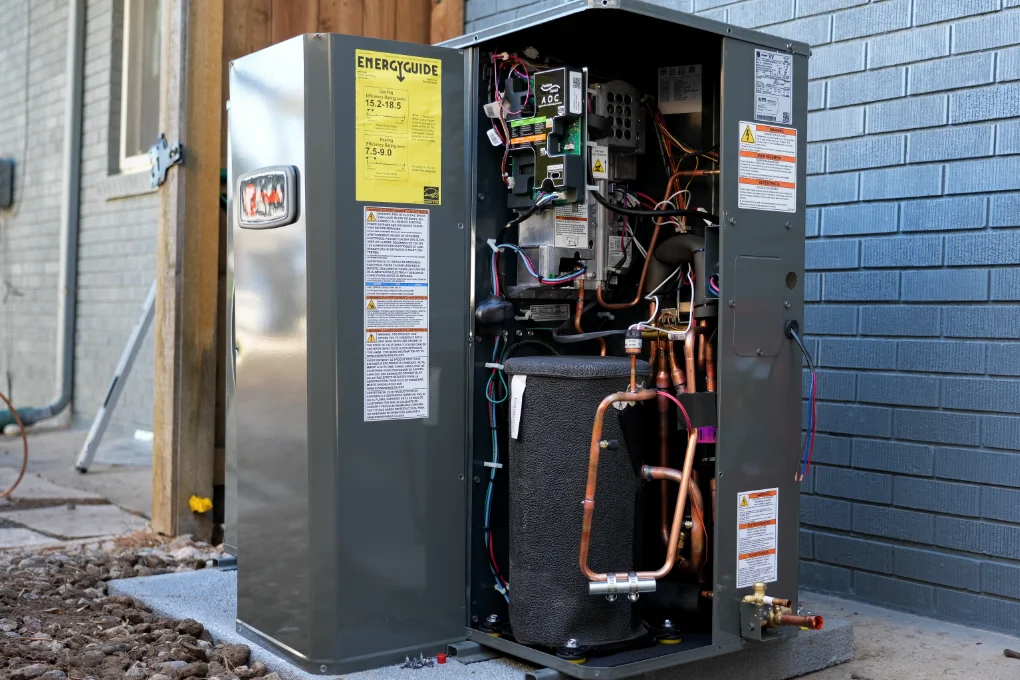
A dual fuel, or hybrid, HVAC system combines an electric heat pump with a gas furnace to provide efficient year-round heating and cooling. The heat pump serves as the primary heating source and also cools your home during summer, while the furnace remains available as backup when additional heat is needed.
For homes that already have a furnace and ductwork, dual fuel can be a practical way to gain the efficiency of a heat pump while retaining the reliability of an existing fuel source.
HOW DOES A DUAL FUEL SYSTEM WORK?
A dual fuel system automatically switches between its heat pump and furnace based on outdoor conditions and your home’s heating demand. During normal operation, the heat pump transfers heat into your home using electricity. When temperatures become more demanding or the heat pump enters a defrost cycle, the furnace can take over or supplement the system.
A compatible smart thermostat coordinates both heat sources so the system can choose the most effective way to maintain your desired indoor temperature. In summer, the heat pump reverses operation and functions as an efficient air conditioner.
IS DUAL FUEL RIGHT FOR MY HOME?
Dual fuel can be an excellent choice for homeowners who want greater efficiency while keeping the dependability of gas or propane backup heat. It is especially well suited to properties with an existing furnace, limited electrical capacity, or homeowners who want to reduce their reliance on combustible fuels without converting entirely to electric heating.
If your home already has solar, a dual fuel system can provide an additional benefit by allowing more of your heating and cooling needs to be powered by electricity. Our team can evaluate your existing HVAC system, utilities, home comfort goals, and energy usage to determine whether dual fuel is the right fit.

Incentives
Take Advantage of Colorado Solar Incentives and Maximize Your Savings
Save big with HVAC incentives! Federal, state, and local utility rebates can significantly lower the upfront cost of installing a heat pump. Homeowners may also qualify for tax credits that make energy-efficient upgrades like heat pumps more affordable.
FAQs
Frequently Asked Dual Fuel Questions
What is a Dual Fuel HVAC system?
A dual fuel system combines an all-electric heat pump as the primary heat source with a gas furnace, either standard AFUE or high-efficiency, as backup. This system allows for existing applications where there is only a gas furnace and air conditioner or only a gas furnace to be easily converted into a dual fuel heat pump system. There is an increased ROI on furnace components since the combustion system is only utilized for a few weeks out of the year. During this time, it is recommended to install a humidifier when the furnace is in operation. Dual fuel applications are also recommended when there is not enough power supply for an auxiliary electric strip heater.
As one of the top-rated heat pump installers in northern Colorado, Sandbox HVAC offers affordable dual fuel system installations with full utilization of 2025 energy incentives and rebates. Thinking of upgrading to dual fuel? Use the Contact Us form below to get started.
How does a Dual Fuel system work?
During the winter season, the dual fuel system utilizes the outdoor compressor from the heat pump as the priority demand calls for the heating circuit.The heat pump activates defrost mode at a specific outdoor temperature, based on the model. During defrost mode, the compressor shuts off to allow for refrigerant pressures to stabilize. Meanwhile, the furnace kicks on to supplement the heat demand for the conditioned space. Once the pressures rise back up to typical operating levels, the heat pump resumes normal operation and the furnace awaits the next defrost call. The heat pump then converts into a highly efficient air conditioning system during the summer months.
Is a Dual Fuel HVAC system more efficient?
For those ready to go further, integrating a heat pump system with photovoltaic (PV) power can take efficiency and sustainability to the next level. When paired with battery storage, an all-electric HVAC system powered by solar panels can fully eliminate carbon emissions from your heating and cooling. Sandbox Solar, with a composite 5-star review over 200 projects, handles everything. Solar assessment, rebates, installation, repairs, and much more are done in-house.
Can a Dual Fuel system save me money?
With 2025 utility rebates at an all time high, the ability to purchase a heat pump at a reduced cost ends up being the same price as a gas furnace with just an air conditioner only. Manufacturers are starting to move towards formally announcing the end to their air conditioning product lines in favor of only offering heat pumps in order to make a stand for the industry.
To get an estimate out how much you could save with the best local dual fuel installer in Northern Colorado, use the contact us form below. Our experts at Sandbox HVAC will walk you through 2025 rebates, incentives, and installation options customized to your project.
What are the pros and cons of Dual Fuel HVAC?
PROs: The benefits of going dual fuel are energy savings paired with cutting-edge compressor technology that can achieve 100% heating capacity down to -15 degrees fahrenheit. This wet radiant heat does not require humidification during the times of primary heating with compressor ramping on. Dual fuel systems allow for fluid installation with minimal conversion during retrofits.
CONs: The downfall of dual fuel systems is that it still allows for grid-tie and favors gas piping and combustion venting for exhaust fumes. The furnace feature is still capable of heating the space but has reached its technological design cap up to 99%. Furnaces still require backup power in the event of an outage.
When is a Dual Fuel system recommended?
When power supply is limited and there is already an existing gas distribution system in place. Otherwise, installing this type of application is counterproductive when considering cost efforts for installing new gas piping and design. These are helpful with budget considerations in comparison to an all electric heat pump system.
Is Dual Fuel better than all-electric heating?
Depends on customer preference, utility considerations, and future mandates (unknown). Otherwise – ditto above.
Is Dual Fuel right for homes with propane or oil furnaces?
These systems are the ultimate solution to reducing the consumption of multiple LP tank refills and costly pellets, not to mention the toil of upkeep and maintenance on dirty pellet stoves and oil disposal. Dual fuel systems can heat the conditioned space with an all electric heat pump that captures most if not all of the winter heating design up to 8000’ elevation but gives the peace of mind of having a back up or auxiliary heating system that is already in place.
Should I consider Dual Fuel if I have solar panels?
Solar can maximize the full energy portfolio and heating index of a property to achieve optimal self-sufficiency. Coupled with batteries and designed to cold climate specifications, dual fuel systems are now armed with the capability of potentially never having to turn on again since the electric heating compressor is satisfying the full demand of the thermal envelope. These systems can further increase their energy efficiency and life expectancy with heavy insulation, solar radiant windows, and duct / air sealing.
How does a Dual Fuel heat pump perform in cold weather?
The dual fuel heat pump system is a stable option for maintaining heating portfolio throughout the coldest of winter seasons. No matter the outdoor ambient temperature, the backup furnace system has a much higher temperature differential and is not reliant on outdoor temperature. During an electrical interruption, the heat pump is unable to keep up with heat demand so the option to have the gas furnace for supplemental heating is a viable option since only a 120vac circuit is required to run the gas heating components and blower motors.
Can Dual Fuel systems help reduce carbon monoxide risks?
What SEER rating is best for Dual Fuel systems?
Single stage dual fuel systems typically have a lower rating and are considered minimum efficiency in terms of SEER rating. 2 stage applications are the next tier level with higher SEER rating and can be considered “hi-efficiency” depending on the model. The best SEER ratings are in favor of variable speed or VS dual fuel HVAC systems as they can achieve cold climate prescriptions and operate at the lowest outdoor temperatures.
All motors, expansion valves, and sensors operate at multiple control increments to dial in the conditioned space. Variable speed systems unlock the true performance of the dual fuel system’s cruise control feature of set it and forget it – where the system maintains the temperature setpoint and only utilizes the capacity required for the demand call without always having to operate at 100% full capacity. Think of putting the dual fuel HVAC system on a dimmer switch instead of always flipping the light off and on. The system only generates enough BTUs to satisfy the demand call without unnecessarily wasting energy.
Service Area
LOCATIONS WE SERVICE
Proudly providing expert solar and HVAC services across Colorado and Southern Wyoming, including Fort Collins, Greeley, Boulder, Denver, Longmont, Windsor, Loveland, Estes Park, Johnstown, Wellington, Berthoud, Firestone, Broomfield, and more.

AWARDS AND CERTIFICATIONS




CONTACT US
WHO WE WORK WITH